

|
Incorporating uncultured protists into ecological and evolutionary studies Dr. Massana has extensive experience in marine microbial ecology, with a special focus on protist ecology and evolution. His research addresses the phylogenetic and functional diversity of marine eukaryotic microbes using a broad set of tools, including microscopy, metabarcoding, metagenomics, single-cell genomics, and fluorescence in situ hybridization (FISH) to visualize specific populations. He is particularly interested in opening the “black box” of heterotrophic flagellates and exploring their role in marine food webs as bacterial grazers and nutrient remineralizers. |
|
David Montagnes is a retired Reader (University of Liverpool, UK). He has been an ISOP member for over 40 years (including Vice President and Awards Chair), is Protist-UK’s secretary, is a Fellow of the Linnean Society, and over the years has held membership in a range of other learned societies. Author of more than 100 papers, and awardee of the highly coveted Ciliate Cravat, David has dabbled with numerous taxa and topics, but his affections lie with ciliates, their syn- and autecology, taxonomy, and use as model organisms. In this plenary, however, he will put ciliates aside and consider, instead, wider social aspects of science. He comes to us petitioning that we strengthen our community and our research though discourse, especially encouraging the formation and maintenance of our learned societies. |
|
Prof. Nowacki is a leading scientist studying transgenerational inheritance and Lamarckian adaptation in ciliates. His lab investigates how RNA molecules can transmit epigenetic information across generations in eukaryotic cells, using ciliated protozoa as a model because they carry out one of the most dramatic epigenetic programs known. During development, these organisms rebuild their genomes on a whole-genome scale—deleting, rearranging, and reassembling DNA. Crucially, the offspring cannot do this alone: the parental cell “teaches” the next generation how to assemble a functional genome through RNA-based guidance. By comparing the developing zygotic genome to the maternal somatic genome, this system makes millions of highly specific decisions about what to keep, remove, or rearrange, producing an exceptionally large-scale yet precise example of RNA-mediated epigenetic inheritance. |
|
Fredrik Söderbom has a long-standing interest in non-coding (nc)RNA in social amoebae, using Dictyostelium discoideum as a genetic model organism. Fredrik received his PhD at Uppsala University, investigating ncRNAs in bacteria. This was followed by a post-doc at University of California San Diego (UCSD), where he studied developmental biology using Dictyostelium as a model. After his post-doc, Fredrik moved back to Sweden and started his own research group, combining the themes from his PhD and post-doc, i.e. studying the role of ncRNAs in Dictyostelium. As a professor at Uppsala University, his present focus is to understand the evolution and function of two specific ncRNA classes; microRNAs and the novel regulatory Class I RNAs that may have a role in the transition from uni- to multicellular lifestyles in dictyostelid social amoebae. For these studies, his research group uses computational analyses in combination with molecular and omics methodologies. |
|
Dr. Tobiasson has focused on the structural complexity and variation present in evolutionary reductive systems, exemplified by the mitochondrial ribosome. As a part of his PhD work, he investigated mitoribosomal structures from T. thermophila and P. magna as well as mitoribosomal assembly intermediates from T. brucei. This work resulted in his thesis “On the origin and evolution of the mitochondrial ribosome”. Following his PhD, he transitioned away from the wet lab to develop his computational skills and to widen the evolutionary scope of his analysis. Victor did his postdoc in the group of Eugene Koonin at the NCBI/NIH studying the origin of eukaryotes while pursuing further structural studies on the Toxoplasma gondii mitochondrial ribosome. He has since moved into an independent position at Glasgow university as a Wellcome Career Development Fellow. Victor is currently building a hybrid computational and structural lab to investigate the development of protein complexity on the evolutionary, structural and functional level. He is actively recruiting researchers at all levels with a strong interest in evolution. |
|
Alexandra (Alex) Worden’s research focuses on the fate and transport of carbon in the oceans. Her current research focuses on photosynthetic microorganisms and predators that consume them, integrating across genomics, evolutionary biology, and ecology using advanced at-sea methodologies to elucidate their lives and interactions in the wild. Worden is a Fellow of the American Academy of Microbiology, the Association of the Sciences for Limnology and Oceanography and the German National Academy of Sciences. Her lab is based at the Marine Biological Laboratory where she is a Senior Scientist, alongside Professor and Associate positions at the Dept. Geophysical Sciences, University of Chicago, and Dept. Organismic and Evolutionary Biology, Harvard University, respectively. |
|
Unveiling Marine Protist Diversity: From the Open Ocean to the Coral Reef Dr. del Campo is a microbial ecologist and Group Leader at the Institute de Biologia Evolutiva (CSIC–Universitat Pompeu Fabra) in Barcelona, and an Adjunct Professor at the Rosenstiel School of Marine, Atmospheric, and Earth Science at the University of Miami. After early training in Barcelona, he held postdoctoral positions at the University of Barcelona, the University of British Columbia, and the Institute of Marine Sciences. In 2019, he joined the University of Miami as an Assistant Professor and returned to Barcelona in 2021 to establish his own research group. His work bridges marine biology, microbiology, and climate change, with a focus on coral holobionts. He studies the diversity and function of microbial symbionts, particularly protists, and their role in coral resilience to heat stress. Combining genomics, imaging, and computational approaches, his lab aims to deepen our understanding of how microbial partnerships shape marine animal health in a rapidly changing ocean. |
|
|
The Symbiotic Continuum across the Tree of Life
Organizers: Anthony Bonacolta (UBC, Canada) and Nicole Coots (UBC, Canada)
|
|
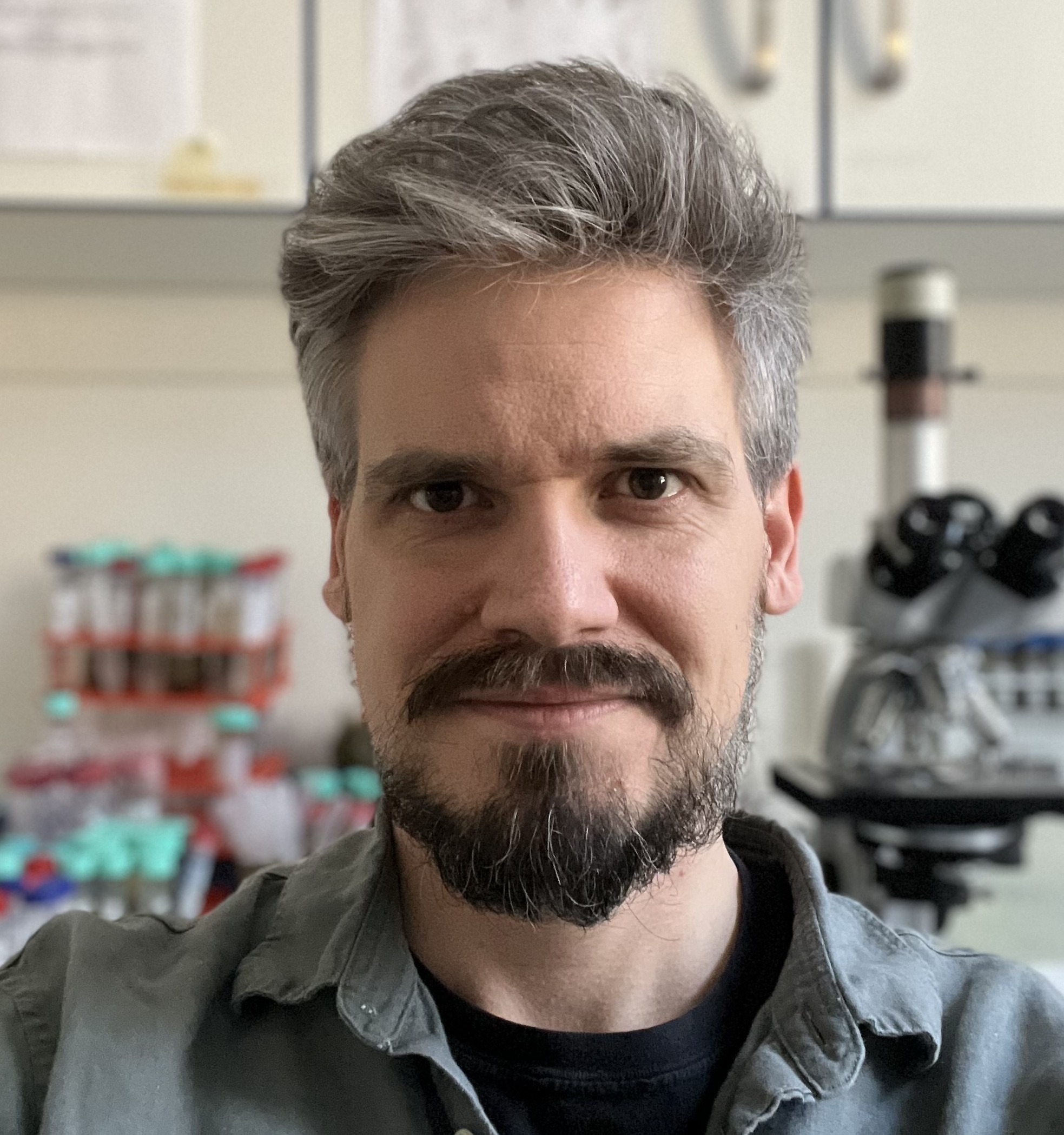 II. Ondřej Pomahač (Cahrles University, Czechia) II. Ondřej Pomahač (Cahrles University, Czechia)A novel mitochondrion-related organelle and complex endosymbiosis in a rare anaerobic ciliate |
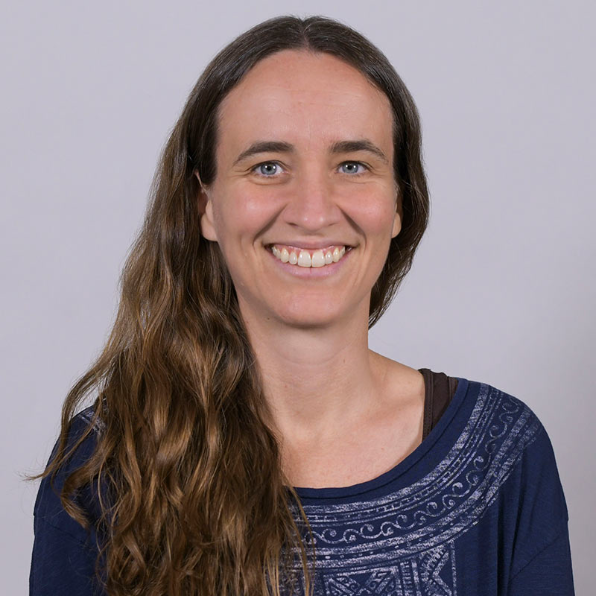 III. Gillian Gile (Arizona State University, USA) III. Gillian Gile (Arizona State University, USA)The domesticated protists of termites |
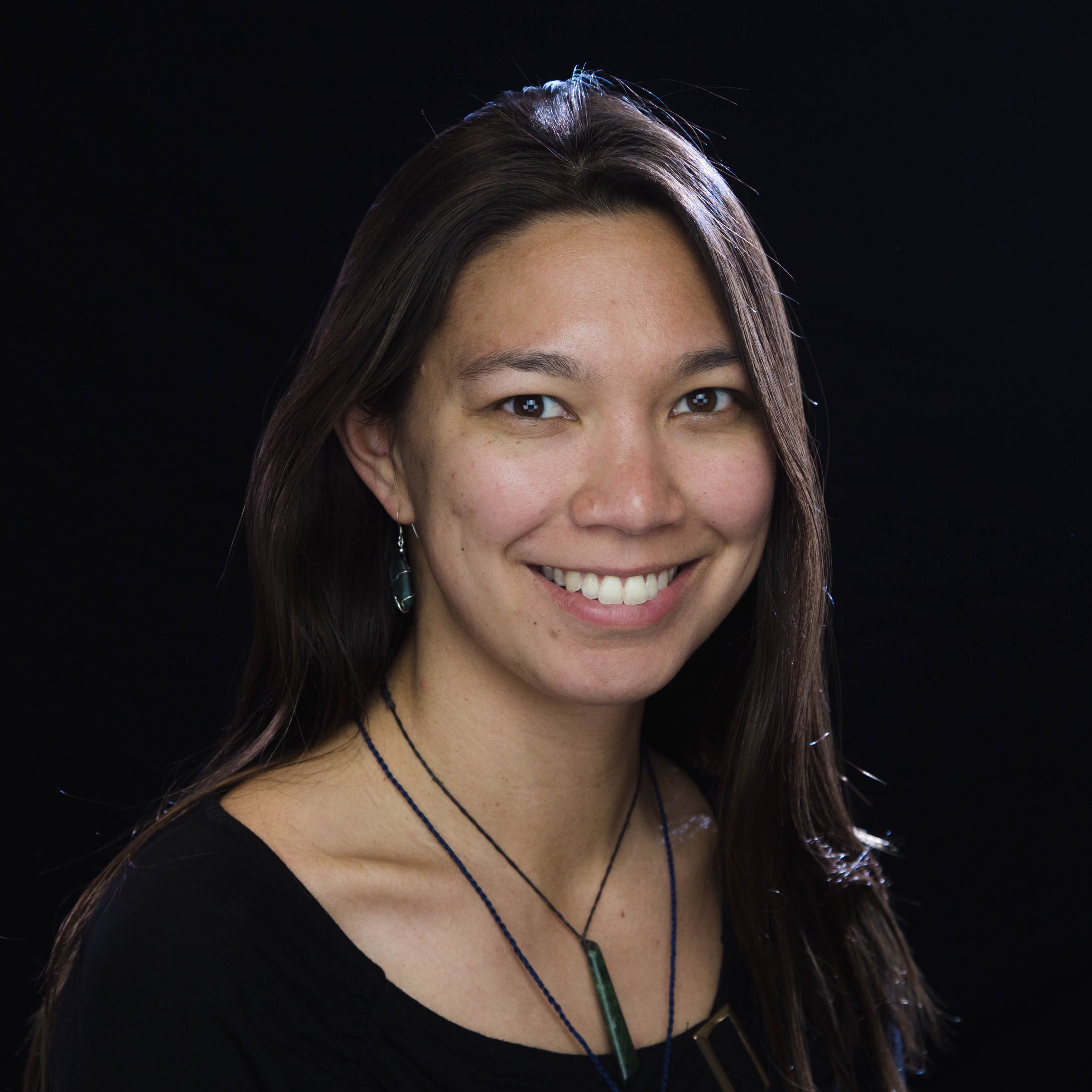 IV. Holly Moeller (University of California Santa Barbara, USA) IV. Holly Moeller (University of California Santa Barbara, USA)How (can) photosymbioses become permanent? Innovations and limitations in kleptoplastidic systems |
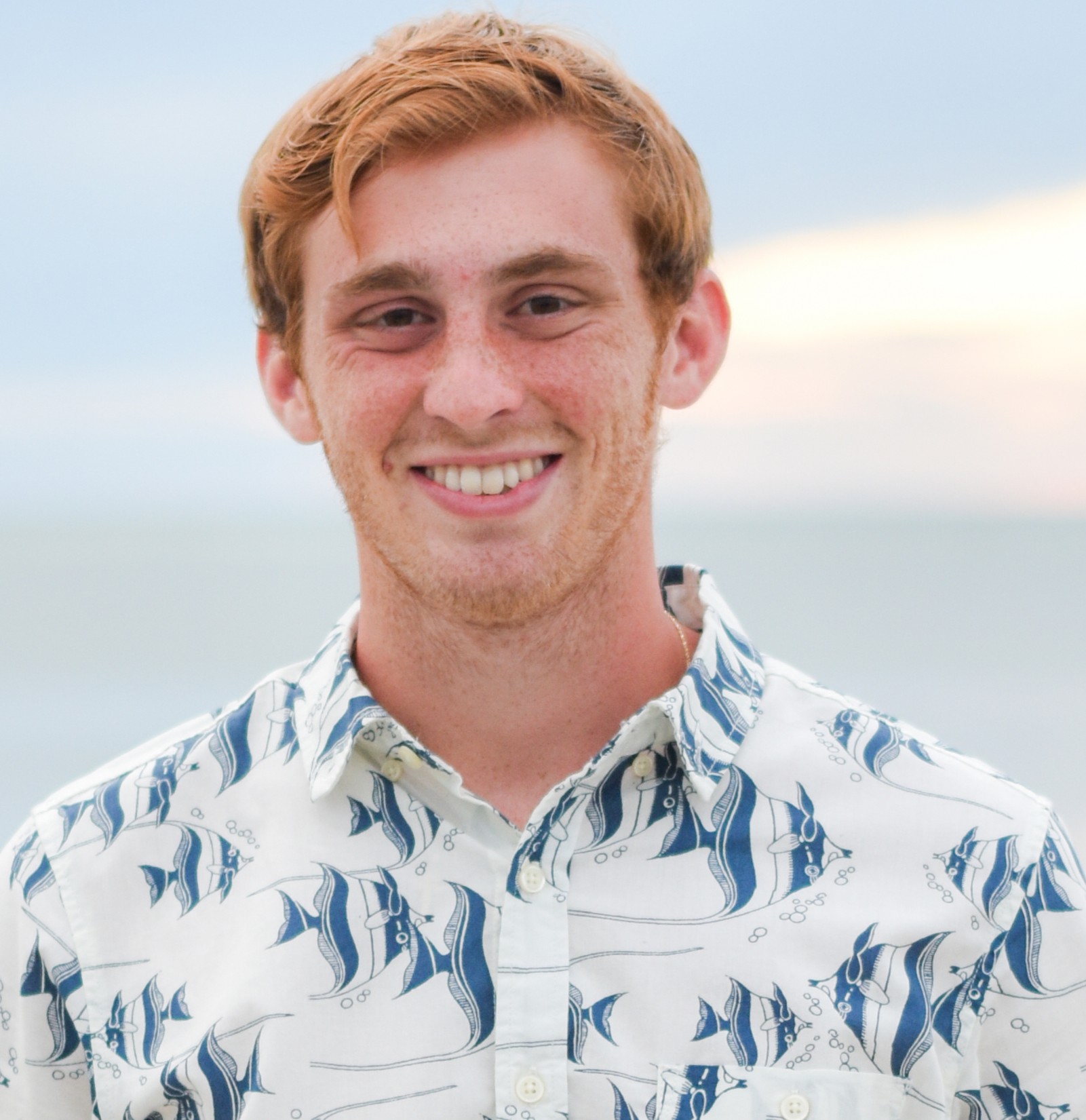 V. Anthony Bonacolta (University of British Columbia, Canada) V. Anthony Bonacolta (University of British Columbia, Canada)Apicomplexan symbioses in the hot seas |
Kleptoplasty: Living Between Feeding and Photosynthesis
Organizers: Norico Yamada (CNRS SBR, France) and Brittany Sprecher (WHOI, USA)
 |
 |
 I. Sónia Cruz (University of Aveiro, Portugal) I. Sónia Cruz (University of Aveiro, Portugal)Kleptoplasty in sea slugs: benefits of hosting chloroplasts |
|
|
 III. Iván García-Cunchillos (University of Warsaw, Poland) III. Iván García-Cunchillos (University of Warsaw, Poland)Communicating with stolen chloroplasts: host contributions to transient integration in Rapaza viridis |
 IV. Matthew Johnson (Woods Hole Oceanographic Institution, USA) IV. Matthew Johnson (Woods Hole Oceanographic Institution, USA)Evolutionary dynamics of kleptoplasty in Mesodinium ciliates resembles parasitism |
 V. Doron Pinko (Ben Gurion University of the Negev, Israel) V. Doron Pinko (Ben Gurion University of the Negev, Israel)Long-Term Functional Kleptoplasty in Foraminifera: Linking Algal Symbiosis and Chloroplast Sequestration Evolution |
|
|
 Jule Freudenthal (University of Koblenz, Germany) Jule Freudenthal (University of Koblenz, Germany)Microbial food webs across ecosystems: From physiological and functional traits to networks |
 Alejandro Berlinches de Gea (Wageningen University & Research, the Netherlands) Alejandro Berlinches de Gea (Wageningen University & Research, the Netherlands)The unsung heroes: soil protists diversity as a driver of plant performance under global changes |
Aarhus University, Denmark
Arizona State University, USA
Barcelona Supercomputing Center, Spain
Bavarian State Collections of Natural History, Germany
Ben-Gurion University of the Negev, Israel
Biosciences Institute, Brazil
Biotechnology and Biomedicine Centre of the Academy of Sciences and Charles University, Czechia
Central European Institute of Technology (CEITEC), Czechia
Charles University, Czechia
Chiba University, Japan
Chinese Academy of Agricultural Sciences, China
CNRS Grenoble, France
CNRS Roscoff Marine Station, France
Comenius University, Slovakia
Dalhousie University, Canada
Danang University of Science and Education, Viet Nam
DOE Joint Genome Institute / Lawrence Berkeley National Laboratory / University of California Berkeley, USA
Earlham Institute, UK
ETH Zurich, Switzerland
Ewha Womans University, Korea
Eötvös Loránd University, Hungary
Fővárosi Csatornázási Művek Zrt., Hungary
Freie Universität Berlin, Germany
Genoscope, France
Gregor Mendel Institute, Austria
Hebrew University of Jerusalem, Israel
Heinrich Heine University Düsseldorf, Germany
Institut de Ciències del Mar, Spain
Institute of Hydrobiology, CAS, Czechia
Institute of Microbiology, Algatech, CAS, Cuechia
Institute of Molecular Genetics, CAS, Czechia
Institute of Oceanology, China
Institute of Parasitology, CAS, Czechia
Institute of Vertebrate Biology, CAS, Czechia
Institute of Zoology, SAS, Slovakia
Instituto de Biología Evolutiva, Spain
Jagiellonian University in Krakow, Poland
Japan Agency for Marine-Earth Science and Technology (JAMSTEC), Japan
Kangwon National University, Korea
Leipzig University, Germany
Lund University, Sweden
Marine Biological Laboratory, USA
Masaryk University, Czechia
Max Planck Institute for Marine Microbiology, Gemany
Mississippi State University, USA
Museum National D.Histoire Naturelle, France
National Agriculture and Food Research Organization, Japan
National Center for Biological Sciences, India
National Institute of Science Education and Research, India
National Marine Fisheries Research Institute, Poland
NYS DOH Wadsworth Center, USA
Pontifical Catholic University of Rio Grande do Sul, Brazil
Pukyong National University, Korea
Rockefeller University, USA
RPTU Kaiserslautern-Landau, Germany
Shimane University, Japan
Sorbonne Université, France
Stanford University, USA
State University of New York at New Paltz, USA
Technical Univeresity of Denmark, Denmark
Texas Tech University, USA
The University of Melbourne, Australia
Universidade do Algarve, Portugal
Universidade Federal de São Paulo, Brazil
Universidade Federal do Rio de Janeiro, Brazil
Universitat Pompeu Fabra, Spain
Universite Paris-Saclay, France
University College London, UK
University Koblenz, Germany
University of Alberta, Canada
University of Aveiro & CESAM, Portugal
University of Bath, UK
University of Bern, Switzerland
University of British Columbia, Canada
University of California San Diego, USA
University of California Santa Barbara, USA
University of Cambridge, UK
University of Cologne, Germany
University of Duisburg-Essen, Germany
University of Dundee, Australia
University of Exeter, UK
University of Geneva, Switzerland
University of Georgia, USA
University of Glasgow, UK
University of Innsbruck, Austria
University of Kent, UK
University of Liverpool, UK
University of London, UK
University of Neuchâtel, Switzerland
University of Nottingham, UK
University of Oslo, Norway
University of Ostrava, Czechia
University of Oxford, UK
University of Pisa, Italy
University of Puerto Rico Mayaguez, USA
University of Rhode Island, USA
University of Salzburg, Austria
University of Saskatchewan, Canada
University of South Florida, USA
University of South Bohemia, Czechia
University of Ss. Cyril and Methodius in Trnava, Slovakia
University of Stuttgart, Germany
University of Tokyo, Japan
University of Tsukuba, Japan
University of Ulsan, Korea
University of Victoria, Canada
University of Vienna, Austria
University of Warsaw, Poland
University of Wroclaw, Poland
University of Wuppertal, Germany
Universität Duisburg-Essen, Germany
Uppsala University, Sweden
Volcani ARO institute, Israel
Wageningen University & Research, Netherlands
Wellcome Sanger Institute, UK
Westfalian University of Applied Sciences, Germany
Wilfrid Laurier University, Canada
Woods Hole Oceanographic Institution, USA
Wrocław University of Science and Technology, Poland


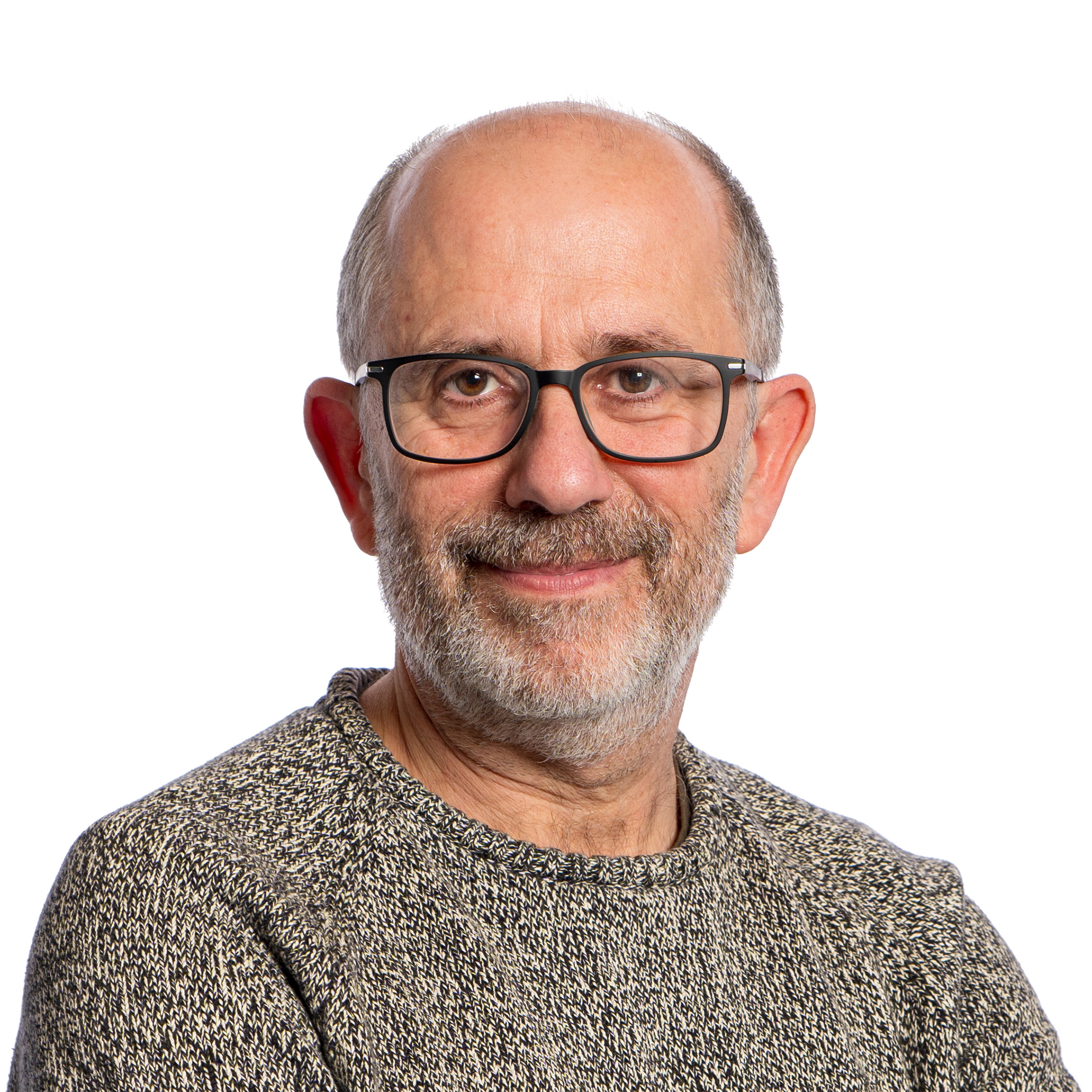 Ramon Massana i Molera (Institut de Ciències del Mar, CSIC, Barcelona, Spain)
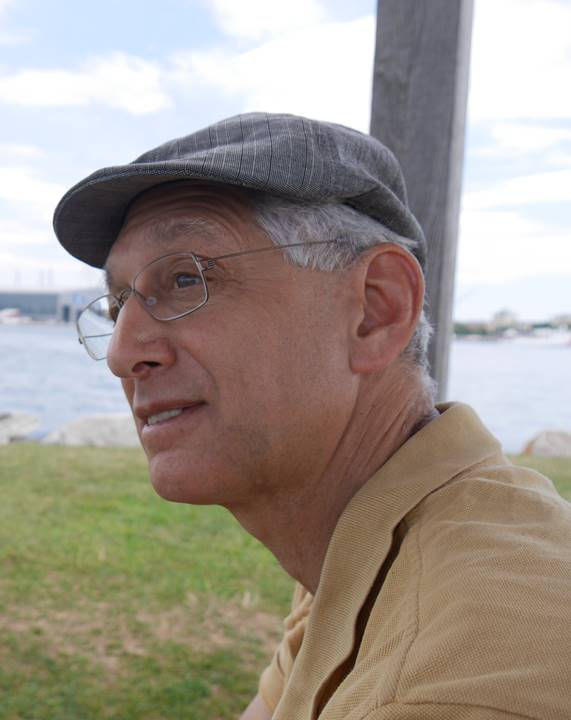 David Montagnes (University of Liverpool, UK - retired)
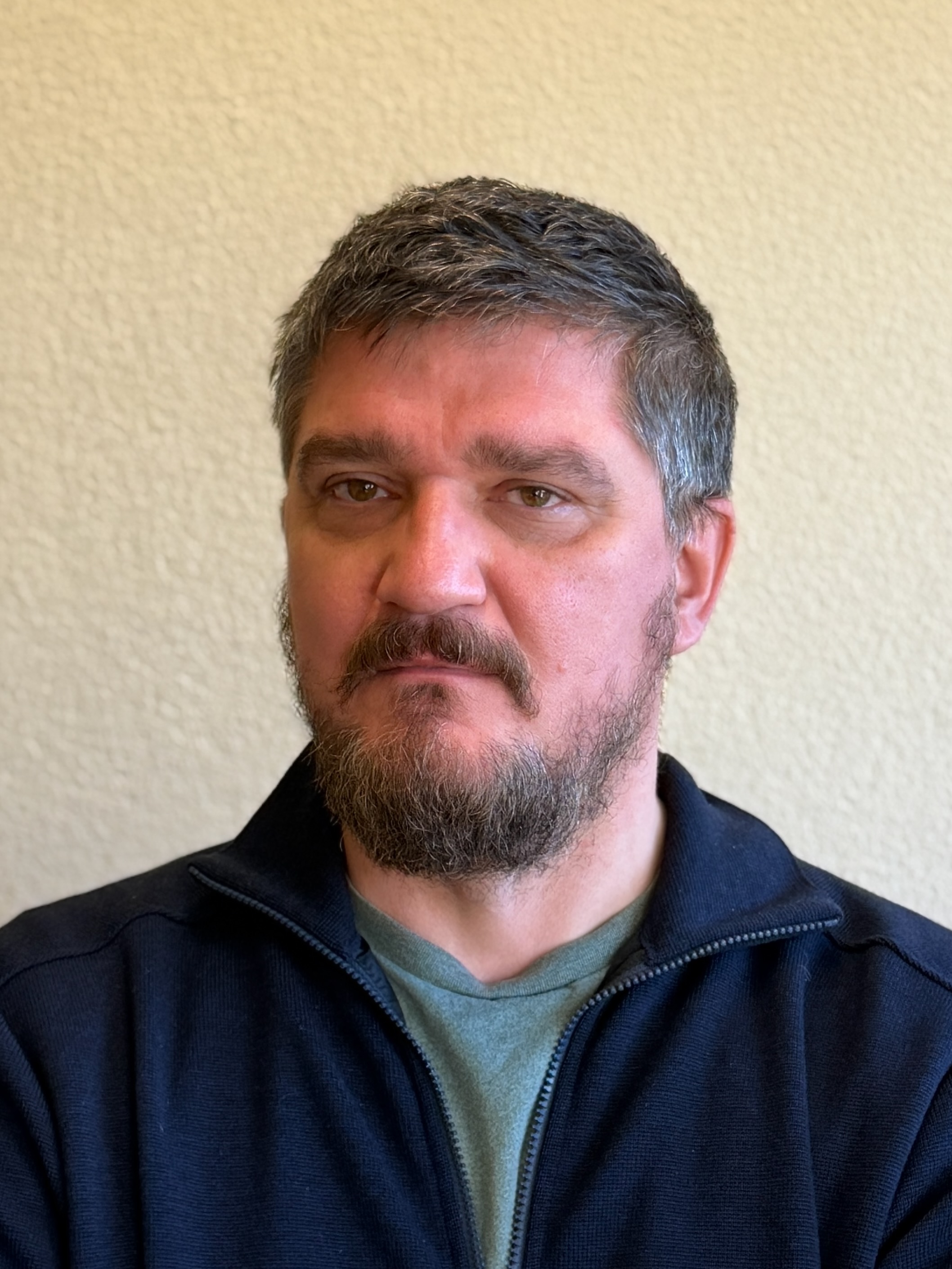 Mariusz Nowacki (University of Bern, Switzerland)
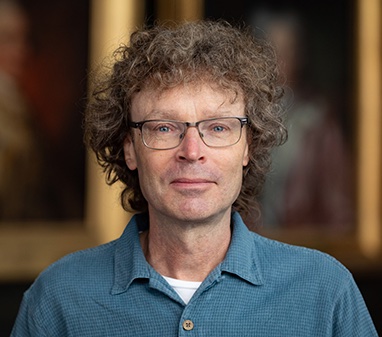 Fredrik Söderbom (Uppsala University, Sweden)
 Victor Tobiasson (Glasgow University, UK)
 Alexandra Z. Worden (Marine Biological Laboratory, Woods Hole, USA)
 Javier del Campo (Institut de Biologia Evolutiva, CSIC-UPF, Spain)
 Sina Adl (University of Saskatchewan, Canada)
 I. Nicole Coots (University of British Columbia, Canada)
 II. Johan Decelle (CNRS-University of Grenoble Alpes, France)
 VI. Megan Sørensen (Heinrich Heine University Düsseldorf, Germany)